Kerbisher Kerbside smarts for UK drivers

Kerbisher

Kerbside smarts for UK drivers

Latest Articles

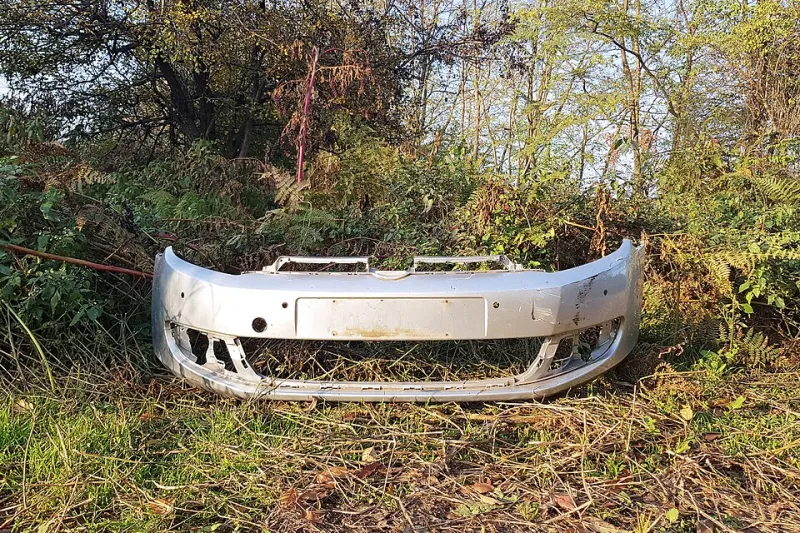
Ramp, Crossover or Crossing? The Dropped Kerb Check That Saves Bumpers and Alloys
Diagnostics

Ramp, Crossover or Crossing? The Dropped Kerb Check That Saves Bumpers and Alloys

A dropped kerb can be a driveway ramp, a pedestrian crossing point or a service access — and none of them are parking bays. Here’s how to read the kerb, judge the approach angle and avoid donating bumper trim or alloy to the cause.
The Gutter Vanishes: Parking When Snow Has Erased the Kerb Line
Seasonal Maintenance

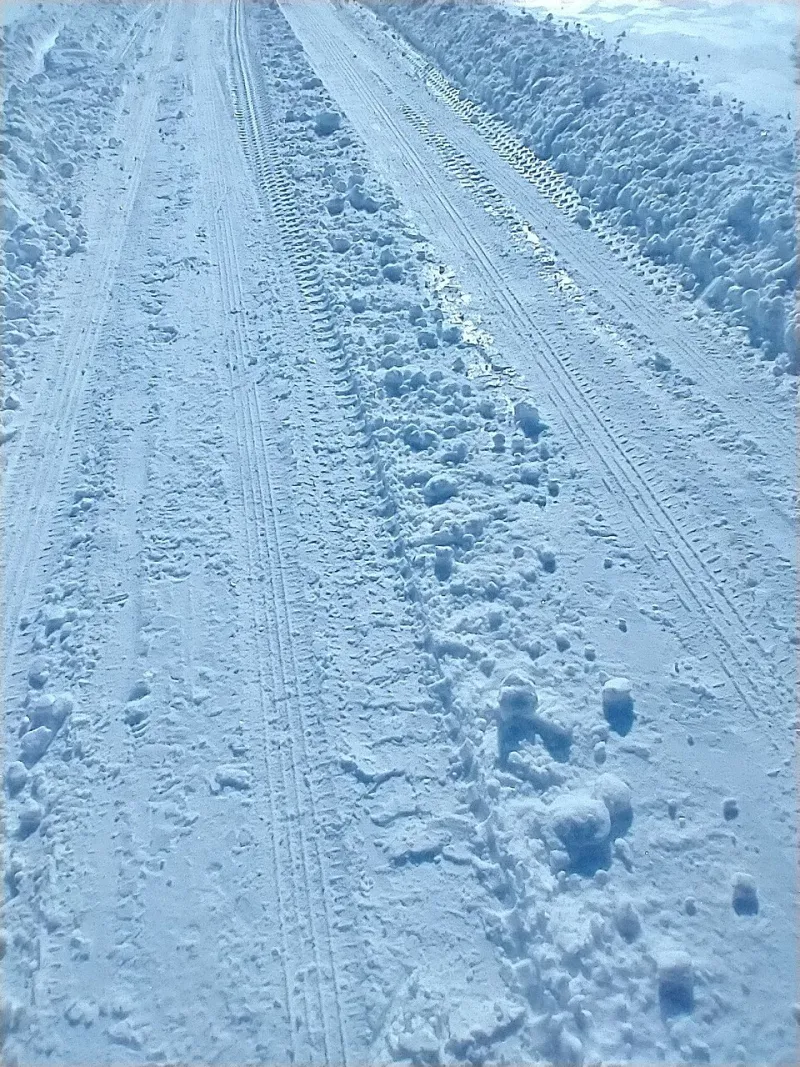
The Gutter Vanishes: Parking When Snow Has Erased the Kerb Line

A snow-covered side street looks like a blank canvas, which is exactly the problem: kerb height, drain covers and painted lines are all hidden under the same white sheet. Here is how to read the edge when the markings have gone, when to abandon the space, and what to check on your wheels afterwards.

The Birthday on Your Sidewall: Why a Five-Millimetre Tread Can Still Be a Dead Tyre
Diagnostics

The Birthday on Your Sidewall: Why a Five-Millimetre Tread Can Still Be a Dead Tyre

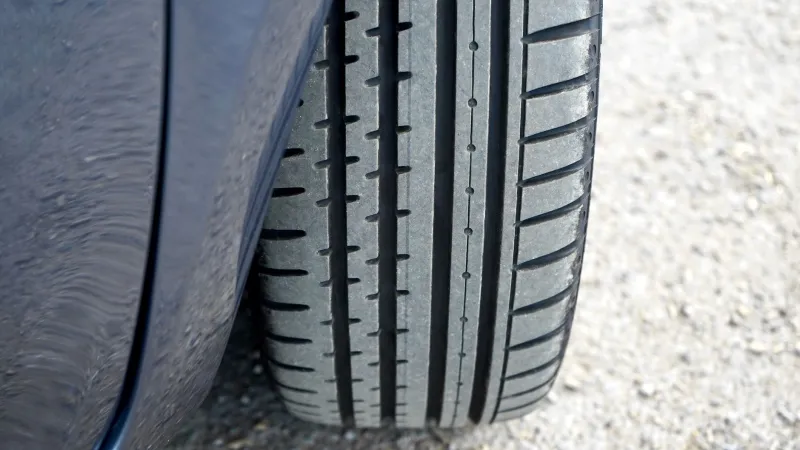
Tread depth gets all the glory, but there's a four-digit number moulded into your tyre's flank that tells a far less flattering story. Here's how to find it, read it, and work out whether the rubber on your car is quietly past its best — even if it looks brand new.

The Multi-Storey Gauntlet: Festive Parking Without Donating Alloy to Concrete
Seasonal Maintenance

The Multi-Storey Gauntlet: Festive Parking Without Donating Alloy to Concrete

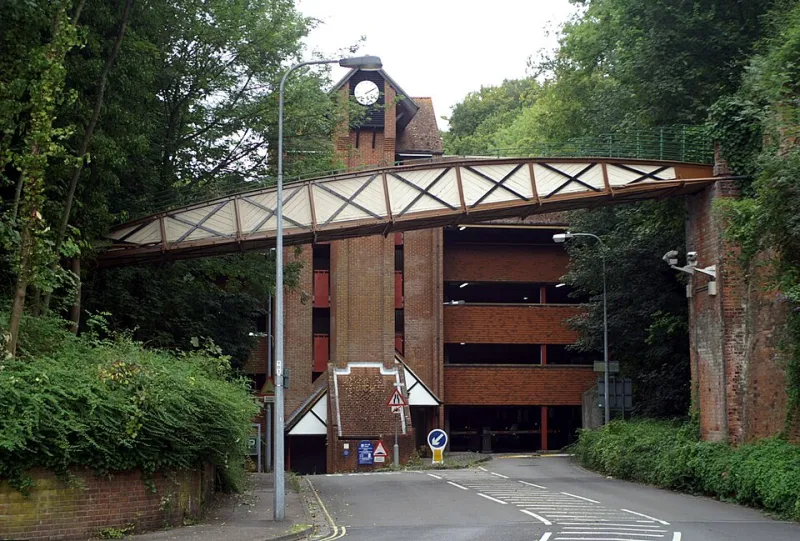
Christmas queues turn ordinary multi-storey car parks into tight, wet, badly lit obstacle courses. Here is how to read ramps, rails and painted kerbs before they cost you a sidewall or an alloy.

Down There, Out of Frame: Why Parking Cameras Miss the Kerb That Bites
Diagnostics

Down There, Out of Frame: Why Parking Cameras Miss the Kerb That Bites

Reversing cameras and parking sensors are brilliant at telling you what's behind the car — right up until the thing that matters is a 10cm kerb sitting below the lens. Here's why the screen goes quiet at the worst moment, and how mirrors, reference points and a quick walkaround close the gap.

The Gloomy Edge: Parking Near Kerbs After Dark Without Guesswork
Seasonal Maintenance

The Gloomy Edge: Parking Near Kerbs After Dark Without Guesswork

Winter nights turn a familiar kerb into a guessing game, especially when the tarmac is wet and the side windows are grimy. This is a practical routine for judging the edge after dark, using mirrors, reflections and a quick post-park check to keep sidewalls and alloys out of trouble.

The Leftward Drift: Road Camber Versus a Wheel That Has Had a Bang
Diagnostics

The Leftward Drift: Road Camber Versus a Wheel That Has Had a Bang

A gentle left-hand tug is often just the crown of a UK road doing its drainage job, not proof of kerb damage. Here is how to separate normal camber from a bent wheel, a distorted tyre or knocked suspension — and when to stop driving and get the car looked at.

A Scuff Is Evidence, Not Decoration: Checking Your Car After a Kerb Strike
Diagnostics

A Scuff Is Evidence, Not Decoration: Checking Your Car After a Kerb Strike

A kerb strike often leaves more than a grazed alloy. This kerbside guide shows UK drivers how to read the scuff as evidence, check for sidewall bubbles, buckled rims, alignment drift and early bearing noise, and know when a quick look is not enough before an MOT or garage visit.

The Wheel You Can't See: A Near-Side Kerb Survival Guide
Diagnostics

The Wheel You Can't See: A Near-Side Kerb Survival Guide

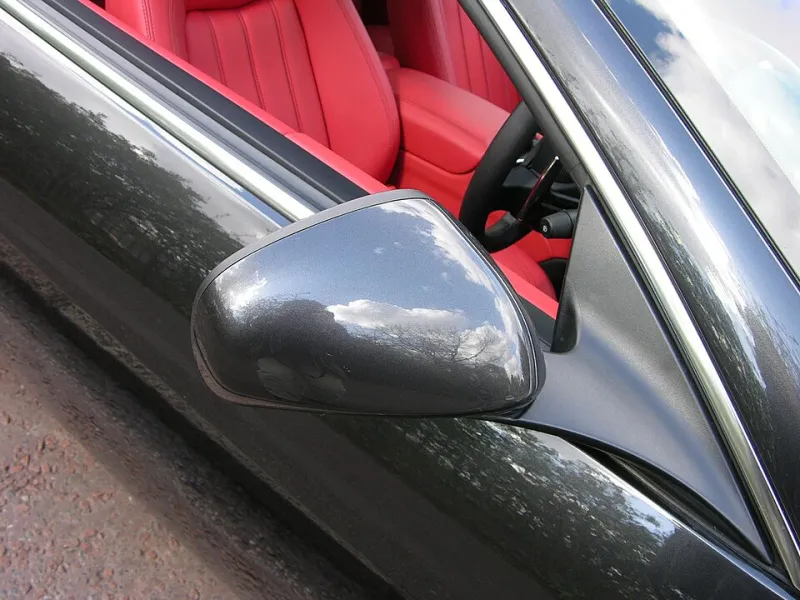
Your left-hand wheels do the quiet damage while you watch the right. This hands-on guide shows UK drivers how to set mirrors, find honest reference points and build a quick post-park check that catches a scuffed alloy before it turns into a buckled wheel.

Frost, Grit and a Car That Won’t Budge: How to Unstick It Without the Crunch
Seasonal Maintenance

Frost, Grit and a Car That Won’t Budge: How to Unstick It Without the Crunch

A car that starts but refuses to move on a frosty morning is not always a serious fault — but forcing it can turn a ten-minute thaw into a repair bill. Here is how to work out what is holding you, free it gently, and know when to stop.

The Tiny Socket That Decides Whether You Get Home
Diagnostics

The Tiny Socket That Decides Whether You Get Home

A locking wheel nut key is the least glamorous thing in your car until it is missing. Here is the kerbside check that stops a puncture turning into a recovery truck.

Two Pressures, One Car: The Door Plate Rule Most Drivers Ignore Until the Boot's Full
Seasonal Maintenance

Two Pressures, One Car: The Door Plate Rule Most Drivers Ignore Until the Boot's Full

Kerb weight sounds like something you'd worry about at the pavement edge, but it's really the starting point for payload, tyre pressure and how your car behaves with a full boot. Here's how to read the plate in the door shut, work out what you're actually carrying, and set the right pressures before a winter trip.

Five Minutes With a Gauge Beats a Pocket Full of Coins
Diagnostics

Five Minutes With a Gauge Beats a Pocket Full of Coins

The 20p tread test is a handy conversation starter, but it is not a legal verdict on your tyres. Here is why a coin can miss worn inner edges and borderline rubber, and how to do a more reliable five-minute kerbside check with a gauge, a torch and a cool head.

The Spare You Forgot You Had: Space Saver Rules Worth Knowing Before the Puncture
Seasonal Maintenance

The Spare You Forgot You Had: Space Saver Rules Worth Knowing Before the Puncture

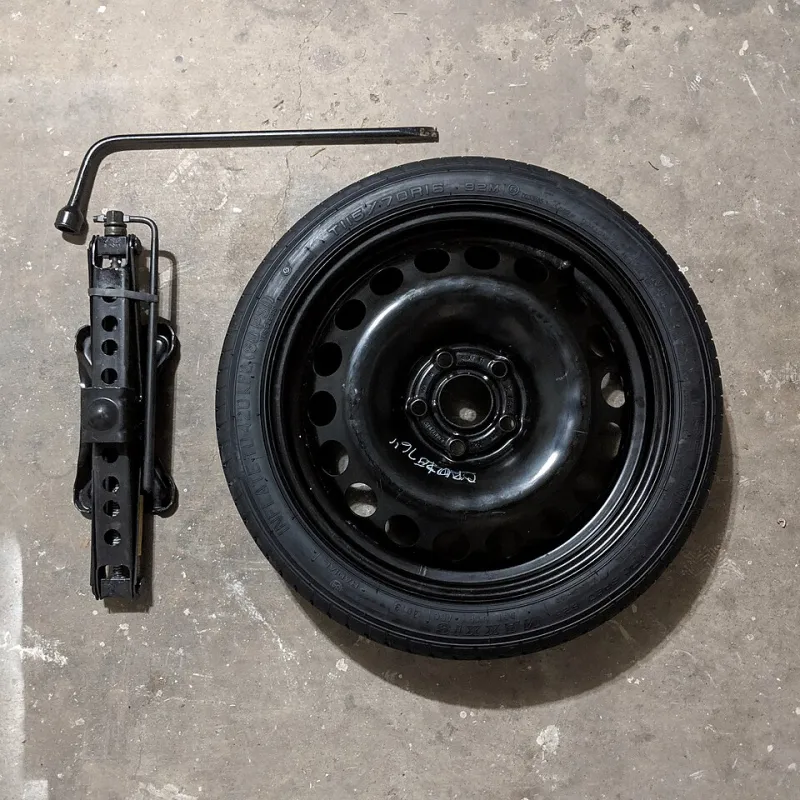
A space saver is a get-you-home device, not a tyre. It has a speed limit, a distance limit, a pressure figure most drivers never check, and a set of fitting rules that catch people out on hard shoulders. Here's how to check yours now, while it's still in the boot and the weather is merely unpleasant rather than awful.

What's Under the Kerb: Reading Drain Covers Before They Bite Your Alloy
Diagnostics

What's Under the Kerb: Reading Drain Covers Before They Bite Your Alloy

Not every kerbside hazard is a pothole. Sunken, tilted and occasionally absent gully gratings sit exactly where you park, turn and pull away — and they can wreck a wheel at walking pace. Here's how to spot the dodgy ones, what to do after a strike, and how to put a complaint together without guesswork.

If It Scrapes, Hisses or Thumps, Stop Calling It Background Noise
Diagnostics

If It Scrapes, Hisses or Thumps, Stop Calling It Background Noise

A kerbside scrape, a sudden hiss or a rhythmic thump is not just characterful old-car behaviour. This practical stop-or-go guide helps UK drivers work out which noises deserve a slow drive to a garage and which ones mean pulling over now.

Frosty Start, Glowing Tyre Symbol: What Your TPMS Is Really Saying
Seasonal Maintenance

Frosty Start, Glowing Tyre Symbol: What Your TPMS Is Really Saying

A tyre pressure warning on a cold November morning is not automatically a disaster, but it is not background decoration either. Here is how UK drivers can tell normal cold-weather pressure loss from a slow puncture, a tired sensor or kerb damage, and what to do at the kerbside before driving on.

Gunge in a Can: What a Sealant Kit Cannot Do When a Tyre Lets Go
Seasonal Maintenance

Gunge in a Can: What a Sealant Kit Cannot Do When a Tyre Lets Go

Most new cars now arrive with a compressor and a bottle of milky liquid instead of a spare wheel. It works brilliantly for one narrow problem and not at all for the damage a British kerb or pothole tends to cause — especially once the temperature drops.

Ten Minutes at the Kerb: The Wheel and Tyre Walkaround That Saves Used-Car Buyers Real Money
Opinion

Ten Minutes at the Kerb: The Wheel and Tyre Walkaround That Saves Used-Car Buyers Real Money

Anyone can polish a bonnet. Hardly anyone buys four fresh tyres to shift a cheap hatchback, which makes the rubber one of the most honest documents on a privately sold car. Here is how to read it at the kerb before you hand over a penny.

Nose First, Nerves Last: Clearing a Driveway Lip Without the Dreaded Crunch
Opinion

Nose First, Nerves Last: Clearing a Driveway Lip Without the Dreaded Crunch

That sickening graunch as your front splitter meets the dropped kerb is entirely avoidable, and it doesn't require diggers or planning permission. A few degrees of approach angle, one honest measurement and a bit of self-discipline will save you a four-figure respray.

Recommended

non gamstop casino