The High-Vis Kerb: Reading Roadworks Edges Before They Cost You a Wheel
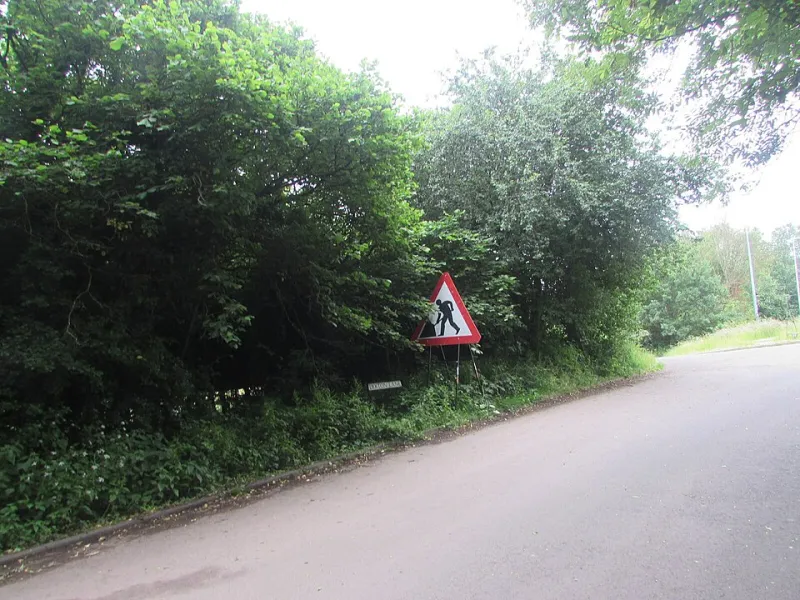
Photo: Jaggery , CC BY-SA 2.0, via Wikimedia Commons
You know the street. You have parked on it, reversed off it and clipped the kerb on it a hundred times. Then a utility crew arrives, puts out cones, and the edge you knew becomes something else entirely: a temporary upstand, a steel plate, a ridge of chippings, a drain cover sitting a finger above the tarmac. The road is still the road, but its edges are wearing high-vis. That is when alloys get donated.
Roadworks are not just an inconvenience for traffic flow. They are a temporary redesign of the kerbside, often built for access and drainage rather than for the delicate painted face of your wheel. The trick is to stop driving from memory and start reading the site in front of you.
Assume Nothing at the Edge Is Permanent
A temporary kerb can be a timber batten, a steel upstand, a line of cones or simply a change in surface height that nobody has painted. Temporary yellow lines and old white lines can disagree with each other. A trench may have been backfilled but not fully settled. A resurfaced patch may leave ironwork proud of the surrounding tarmac.
Do not use the old kerb line as your reference. Use the physical evidence: cone bases, Chapter 8 signage, a banksman, a site compound, gravel dragged into the gutter, a change in tarmac colour. The real edge is often 20 or 30 centimetres inside where your memory says it should be.
The Telltales That Deserve a Lift Off the Throttle
Steel road plates are a classic. They can be lipped at the edges, slippery when wet and prone to shifting. If you must cross one, do it slowly and squarely rather than turning across it with a loaded front wheel.
Raised ironwork is the quiet assassin. After planing or resurfacing, manhole covers and gully gratings often sit proud. Hit one square and slowly and you may get away with a thump. Catch the corner of an alloy on the upstand while turning and you will hear a noise you will not forget.
Loose chippings deserve their own respect. Surface dressing can leave a carpet of stones that flick up, lodge in tread and chip paint. Reduce speed, increase the gap to the car in front and avoid harsh acceleration through the loose stuff.
Narrowed lanes are where drivers make the worst decisions. A cone taper can pinch a lane by half a metre, and that is exactly where a near-side wheel meets a temporary kerb. If the gap looks tight, it is tight. Hold back rather than folding a mirror and hoping.
Also watch for mud and gravel dragged out of a site. It gathers in the gutter and around drain covers, hiding the very edges you are trying to avoid.
Positioning Is Most of the Job
Give the site room to breathe. If a lane narrows, hold back and let oncoming traffic clear rather than committing to a gap that requires millimetres. Keep your near-side wheel away from cone bases, timber upstands and raised covers. Where it is safe and legal, use the offside of your lane to create a margin.
Do not treat a temporary surface as load-bearing just because a cone is sitting on it. Plastic barriers and timber edging can shift. Workers can step out. A site is a live environment, not a chicane.
When to Stop and Re-Read the Layout
If the temporary lights, missing lines and cones do not add up, stop at a safe point before the site and watch a car ahead. A 30-second pause is cheaper than a replacement wheel. If you are already in the taper and unsure, slow down and let the site tell you where the edge is. Do not stop in a live lane to inspect a scuff.
Two Minutes After the Site
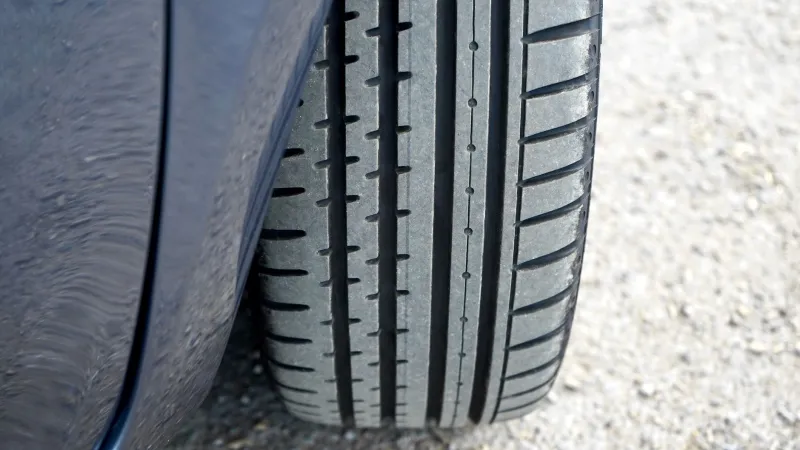
Once you are clear, find a safe place to stop. Look at the tyres for bulges, cuts and embedded stones. Check the wheel faces for fresh scuffs. Listen for a new noise on the road. If a tyre has taken a hard hit, check the pressure when you get home rather than waiting for the warning light.
Roadworks edges are temporary, but alloy damage is not. Read the high-vis kerb before it reads your wheel.