Two Pressures, One Car: The Door Plate Rule Most Drivers Ignore Until the Boot's Full
Photo: The Car Spy, CC BY 2.0, via Wikimedia Commons
Most of us meet kerb weight in a car review, skim past it and move on to the bits that sound more exciting. It sits there in the spec table like a fact you're meant to file away: 1,412kg, 1,455kg, whatever. Then you fill the boot for a winter weekend, pile three mates in, and wonder why the car feels vague on the motorway.
The number that matters at that point isn't in the brochure. It's on a plate riveted to the door shut, and it's the key to getting your tyre pressures right when the car is actually loaded.
Kerb weight isn't about kerbs, and it isn't about you
First, a quick disentangling. Kerb weight has nothing to do with clipping the pavement. It's the weight of the car with all its fluids, a tank that's roughly 90% full, and no occupants, no luggage and no roof bars. It's your car as it sits outside the house on a quiet Sunday morning.
There's a wrinkle worth knowing: some manufacturers quote kerb weight including a 75kg driver, some don't. That's why two similar cars can look further apart in the brochure than they really are, and why you shouldn't treat a spec-sheet figure as gospel when you're working out what you can carry. If you want to be careful, use the plate on the car rather than the website.
The plate in the door shut: four numbers that actually count
Open the driver's door and look at the B-pillar, or lift the bonnet and check the slam panel. You're looking for a plate or sticker with four weights, usually in kilograms:
- Gross vehicle weight (GVW) — the most the car can weigh fully loaded, including passengers, fuel, luggage and anything bolted on.
- Gross train weight (GTW) — the maximum combined weight of car and trailer, if you tow.
- Front axle limit — the most weight the front axle is rated to carry.
- Rear axle limit — often the number that catches people out, because that's where the boot, the tow bar and the rear passengers all pile their weight.
Nearby, usually on a fuel flap or door pillar sticker, there's a tyre pressure placard. If yours shows two rows of pressures, that's the whole point of this article. One row is for normal, lightly loaded running. The other is for a full load — and it's usually noticeably higher at the rear, sometimes at the front too.
Payload maths you can do in your head
Payload is simply GVW minus kerb weight. Say your plate reads 1,950kg and the brochure says 1,450kg kerb weight. That leaves 500kg for people, luggage, fuel beyond the 90% figure, roof bars, a tow bar and the dog.
Four adults at 80kg each is 320kg before anyone has packed a bag. Add a couple of suitcases at 20kg a piece, a roof box, and you're within a whisker of the limit — and that's before you've thought about how the weight is distributed. A car can be under its GVW and still be over on the rear axle.
Overloading isn't just a vague worry, either. It's an offence under UK construction and use rules, and it can affect your insurance if something goes wrong. DVSA checks at the roadside aren't rare, and a heavily loaded car that's sitting on its bump stops tends to attract attention anyway.
Why the second row of pressures exists
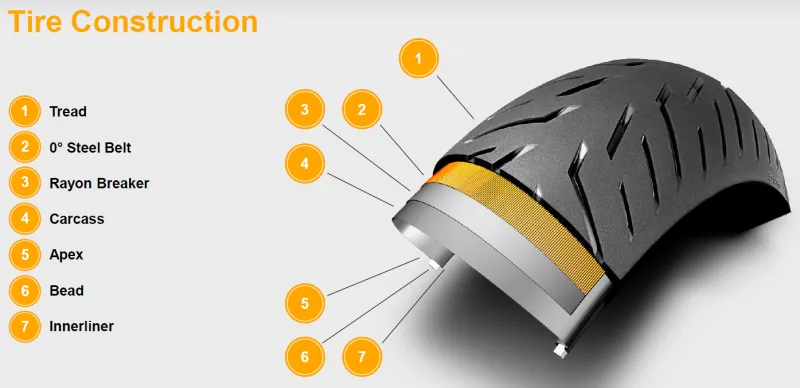
A tyre at 32psi is designed to carry a certain load with a certain amount of sidewall flex. Add 200kg to the boot and that flex increases: the sidewall bulges, the tyre heats up more than it should, and the car starts to feel floaty on turn-in. Braking distances stretch. In standing water, a soft, overloaded tyre is far more likely to aquaplane.
Pumping the rears up to the full-load figure stiffens the sidewall, keeps the contact patch closer to its intended shape and keeps temperatures in check. Run those higher pressures day to day with an empty boot, though, and you'll feel every cat's eye and wear the centre of the tread faster than the edges. Two rows for a reason.
The kerbside loading check, in five minutes
Before a winter trip, do this in the driveway rather than at the services:
- Read the plate and the pressure placard. Photograph them if it's cold and you'd rather not crouch.
- Weigh your luggage roughly. A hard-shell cabin bag is often 3-4kg empty, a full suitcase 20kg plus. Roof boxes have their own low limits — often 50-75kg including the bars.
- Check the tyre sidewall for the load index and make sure your tyres are rated for the axle weights. A previous owner may have fitted something marginal.
- Set the pressures cold — within a couple of miles of home, or after the car has sat for three hours. Add the extra for load before you leave, not halfway there.
- Look at the sidewalls once loaded. A noticeable bulge at the bottom isn't a styling choice; it's a sign you're asking too much of that tyre.
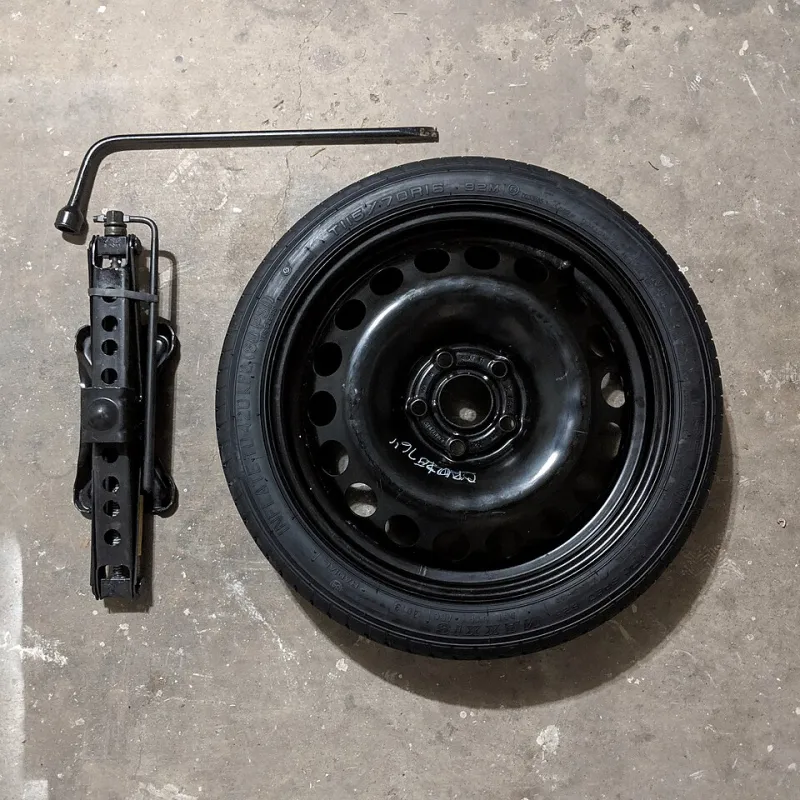
- Don't forget the spare, whether it's a space saver or a full-size. Under-inflated spares are a classic winter surprise.
If you're genuinely unsure, a public weighbridge costs very little — often around a tenner — and gives you an axle-by-axle figure. It's the only way to know for certain.
The things that quietly eat your payload
A full tank of diesel is around 50kg. A tow bar and ball might add 25kg. Roof bars, a bike rack, a child's car seat, the dog crate, that crate of wine you forgot about — it all counts. Towing? The nose weight on the ball counts against your payload, not just the trailer's own weight against the train limit.
When in doubt, take the heavier figure
If you can't weigh anything, err on the side of the full-load pressures for the trip and drop back to the normal figures once the car's empty again. It costs you nothing but a slightly firmer ride, and it keeps the tyres in the shape they were designed to be in. Kerb weight may live on the spec sheet, but the plate in the door shut is what your tyres are actually listening to.