The Gutter Vanishes: Parking When Snow Has Erased the Kerb Line
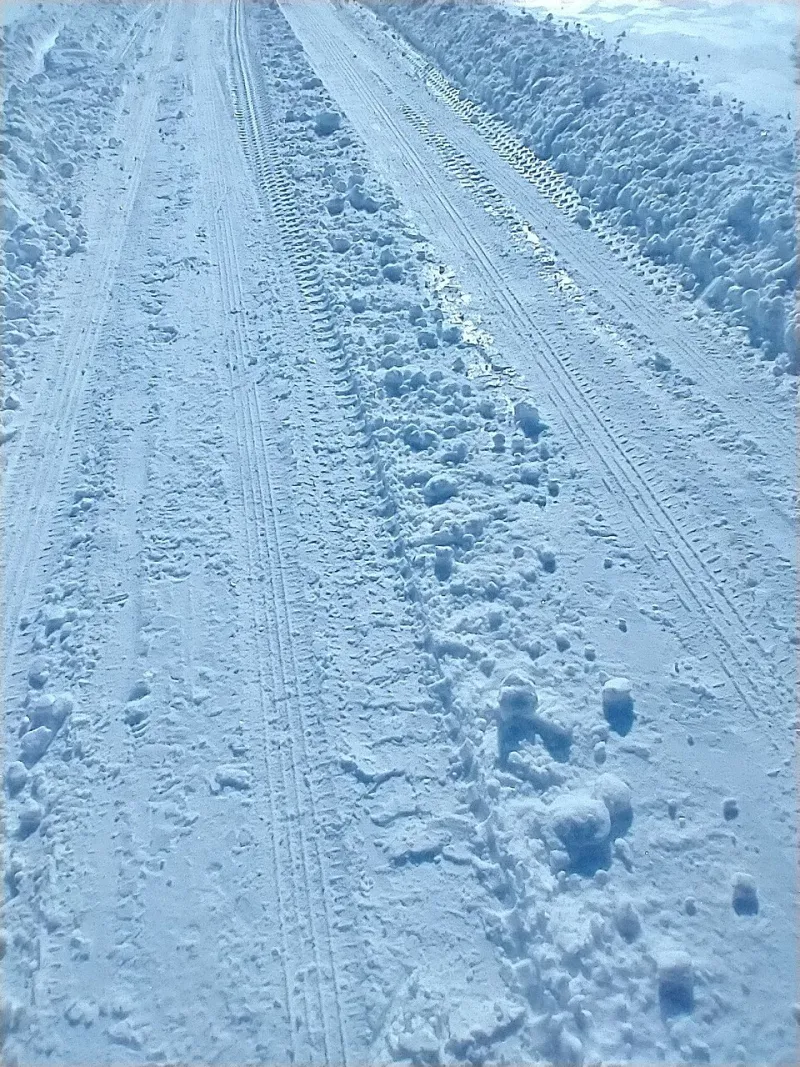
Photo: Anton McClure, CC BY 3.0, via Wikimedia Commons
The street you know is not the street you are parking on
You have parked on this road a hundred times. You know the gutter, the camber, the way the kerb sits a few inches higher on the left. Then it snows, the gritters do the main road and ignore your side street, and the whole thing becomes a white rug pulled over the details. Overnight, a familiar bay turns into guesswork. The kerb height is buried. Drain covers are buried. Double yellows, bay markings, even the dropped kerb outside someone's drive — all gone under the same flat sheet. That is the moment when a routine park turns into a wheel-eating trap, because your alloy is about to meet a concrete edge you cannot see.
Snow does not just hide the kerb; it changes it. Slush gets shoved into the gutter and refreezes into a ridge that is higher than the real kerb. Salt and grit mix with it, so what looks soft can be a solid lump. And if the council has not been down your street yet — and in plenty of residential areas they will not have — you are the one doing the pioneering.
Read the street before you read the space
Before you commit, look at what the snow has not covered. Lamp posts, bollards, fence posts and the corners of low walls all sit in a line that tells you where the pavement edge should be. Neighbouring cars are useful too: check where their tyres have stopped. If three cars ahead of you are a foot off the kerb, there is probably a reason — maybe a drain, maybe a dropped kerb, maybe a ridge of ice that has been there since Tuesday.
Painted lines are gone, but their ghosts are not. Wet slush looks darker than dry snow, and the gutter often holds a thin, grey line where the kerb is. Shine a torch along the edge at night; the reflection changes where the vertical face of the kerb meets the road. It is not perfect, but it is better than parking by hope.
And if there is a passenger, use them. Get them out to look. There is no shame in it. A two-minute check beats a four-figure repair.
The tyre-contact trick, used carefully
You can feel a kerb through the steering when you are crawling, and you can hear the crunch of snow. But do not use feel to find the edge — that is how you find it with your alloy. Instead, use a reference point. Line up your wing mirror or door handle with a landmark, roll back slowly, then stop and look. If you cannot see the kerb, do not assume it is where it was last week.
When to walk away
There are spaces you should just leave. If the snow is deep enough that you cannot tell road from pavement, if the street is on a slope, if you are the first car to park there since the snow fell, if the space is near a junction or a crossing where hidden zigzags could earn you a ticket, or if you suspect a drain cover is under there — walk away. Park further out and walk two minutes. A refurbished alloy costs more than a pair of warm gloves and a bit of exercise.
Also: never park on what might be a dropped kerb, even if it is covered. Someone's driveway access matters, and councils can and do ticket for it.
After the snowy kerbside session
Once you are parked, have a quick look. Check the tyre sidewall for cuts, bulges or chunks missing — snow can hide a pothole that bites. Check the alloy face for fresh scuffs. Clear packed snow from the arches, because it can freeze and rub on the tyre. Check your pressures when the tyres are cold, and reset the TPMS if needed. Give the wheels a rinse when you get a chance; road salt does not need an invitation.
If you did hear a crunch, do not just check the bumper. Get down and look at the wheel and tyre. A scuff on the alloy is annoying; a damaged sidewall is dangerous.
The bottom line
Snow turns a familiar kerb into an invisible one. Use landmarks, reflections and other cars to find the line, get out and check if you are not sure, and be willing to abandon the space. Your wheels will thank you.