The Spare You Forgot You Had: Space Saver Rules Worth Knowing Before the Puncture
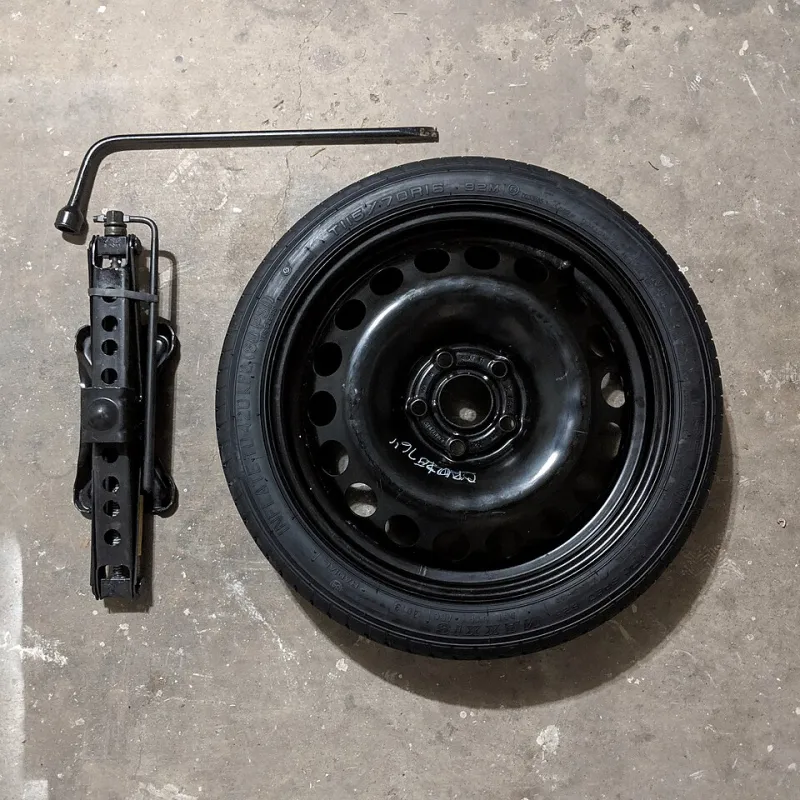
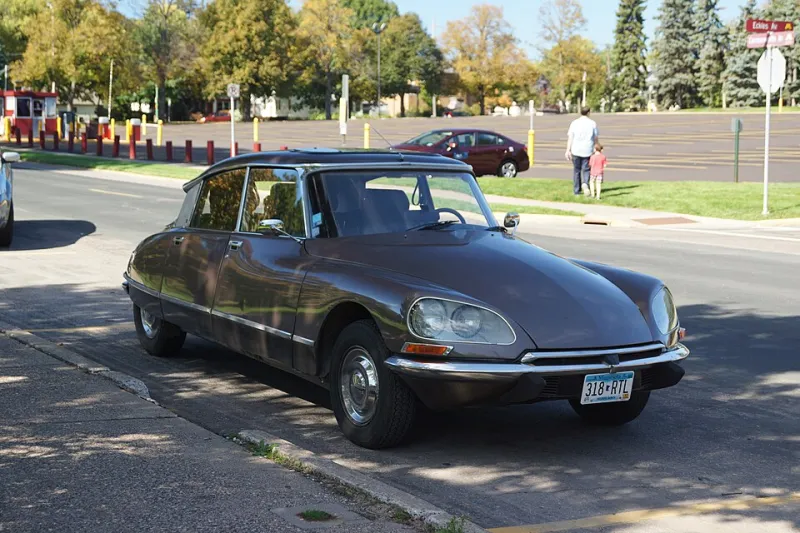
Photo: Steve Rainwater from Irving, US, CC BY-SA 2.0, via Wikimedia Commons
There's a particular kind of optimism in never looking at your spare wheel. It sits under the boot floor, wrapped in a bit of foam, and because you've not needed it, you assume it's fine. Then a pothole opens a sidewall at seven in the evening in November, and you find yourself crouched on a wet verge discovering the truth in the worst possible conditions.
A space saver — the skinny temporary wheel many cars carry instead of a full-size spare — is one of the most misunderstood bits of kit on a modern car. It's not a spare tyre in the traditional sense. It's a limp-home device with rules attached, and a fair number of drivers quietly ignore every one of them.
What a space saver is actually for
It's designed for one job: to get you from the place you got a puncture to a place that can fix or replace the tyre. That's it. It is narrower, lighter and has significantly less rubber in contact with the road than your road wheels, which is why it comes with restrictions rather than a recommendation to enjoy yourself.
Common limits you'll find in most owner's manuals:
- 50 mph maximum, sometimes lower. It'll be printed on the wheel or the tyre sidewall — read it, don't assume.
- Around 50 miles of use, give or take, depending on the manufacturer. Some say 70, some say 80 kilometres. The point is it's a short-hop component, not a touring wheel.
- Higher inflation pressure than a road tyre — often in the region of 60 psi. This is the single most neglected number in motoring.