Grass Is Not Tarmac: A Field Guide to Soft Verges, Gateways and Getting Out Again

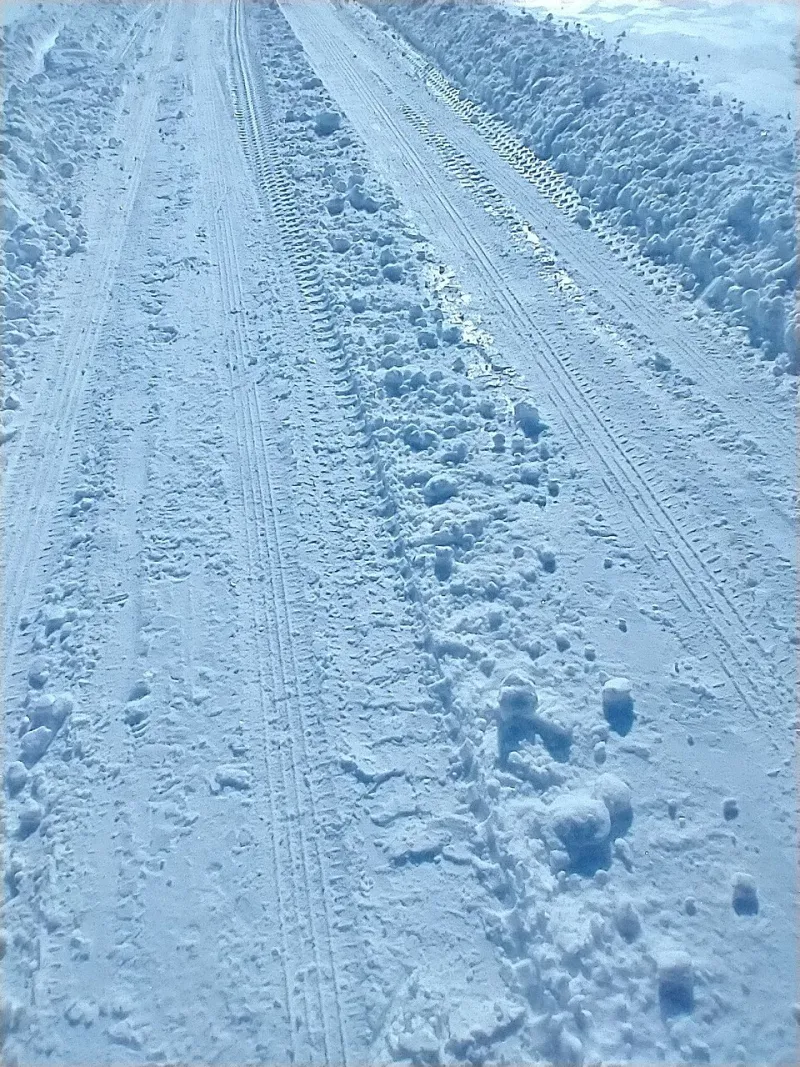
Photo: Jacek Halicki, CC BY-SA 4.0, via Wikimedia Commons
There’s a moment on a wet November morning when a grass verge stops looking like a convenient bit of spare ground and starts looking like a question. The kerb has ended, the tarmac has run out, and ahead is a gateway, a village-hall edge or a muddy lay-by that someone has clearly used before. The trouble is, “someone used it” is not the same as “you should”.
Soft ground is one of the most quietly expensive surfaces a UK driver can meet. It doesn’t scrape an alloy like a kerb, and it doesn’t thump like a pothole. It just lets you in, then takes the wheel. Here at Kerbisher, we spend a lot of time on edges — and a grass edge deserves the same respect as a concrete one.
Start by treating grass as a surface, not a spare parking space
Under that green top layer there might be chalk, clay, gravel, old rubble or nothing but soup. Grass hides all of it. After a week of rain, a verge that held a Transit in August can turn into a sponge in November.
Look before you turn in. Standing water is obvious, but the warning signs are often softer: a darker green line where drainage collects, tussocks that look raised because the ground around them has dropped, or a sheen of water sitting in old tyre tracks. If your boot sinks when you step out to check, a tyre carrying several hundred kilos will do considerably worse.
Don’t go wandering into long grass to test it, though. Use a stick, a walking pole or your foot near the edge — not a heroic stride into a possible ditch.
Read the ruts before you join them
Old ruts tell a story, but not always a helpful one. Shallow, dry ruts with firm edges suggest the ground can take a car. Deep ruts filled with water suggest it took one and kept it.
Ask yourself how deep the ruts are compared with your car’s ground clearance. If the ruts look deeper than your fist, you’re not parking — you’re committing to a trench. Also look at the direction: ruts that run straight in and out are one thing; ruts that wander sideways suggest vehicles sliding, spinning or being dragged.
Fresh mud is a warning. If the surface has been chewed into ridges and the edges are still wet, the ground is already weak. Adding another car doesn’t improve it.
The dark line that means ditch
Field gateways and grass verges are common homes for drainage channels, culverts and hidden ditches. They don’t announce themselves. Often the giveaway is a darker strip of vegetation, a line of reeds, a dip in the grass, or a change from rough grass to something smoother and wetter.
At a gateway, assume the ground near the gate is the weakest part. Vehicles stop there, turn there and drop mud there. The concrete apron might be firm; the grass either side may be anything but. Check that the gate can still open, and don’t park across a farm entrance, livestock route or emergency access. A gateway is for gates, not for a quick school-run stop.
Slope, camber and the one-wheel-spin problem
Soft verges are rarely flat. They often fall away towards a ditch or rise towards a hedge. Park with two wheels on tarmac and two on grass and you may get away with it — but the car’s weight is now leaning in a direction it wasn’t designed for.
If you feel a wheel go light or start to spin, stop. Spinning a wheel on grass is like rubbing a hole in the ground with a rotary tool. It digs, polishes the surface and leaves you deeper than you started.
On a slope, think about how you’ll leave, not just how you’ll stop. Facing downhill may feel less tidy, but it can make a gentle exit far easier than trying to haul a cold diesel up a wet bank.
Turning around without making a bad edge worse
A three-point turn on soft ground can become a five-point rut. If the space is tight, avoid full lock and avoid repeated shunting. Keep the wheels rolling, use the least throttle that will move the car, and don’t saw at the steering wheel while stationary.
If you can reverse into a firmer spot instead, do that. If the only turning area is a muddy gateway, don’t turn there at all — find a proper road end or a hardstanding. Pride is cheaper than a recovery truck.
If the tyres start to sink
First, stop spinning. That’s the whole game. A wheel spinning at speed digs faster than you can think, and it can throw mud, stones and worse at anyone standing nearby.
Get out and look. Are you high-centred? Is a bumper buried? Is one wheel in a rut and the others on firm ground? If you can reverse out along your own tracks, do it gently and keep the wheels straight. Straight wheels roll; turned wheels plough.
Traction mats, a sack, a folded tarpaulin or even proper rubber mats under the driven wheels can give you a bite. Don’t use loose branches that will fire out like missiles. If you have an automatic, be smooth with the throttle — no dumping the clutch in a manual, no revving and hoping.
If the car is beached on its belly, stop. Digging a bumper out with your hands is one thing; pretending you can power through a grounded sump is another.
Recovery advice worth taking seriously
If you need a tow, use proper recovery points, not suspension arms, brake pipes or a random bit of bumper bracket. Use a rated strap or rope with a damper over it, keep bystanders well clear, and never stand between two vehicles. If you’re unsure, call a professional recovery service. A £60 call-out is cheaper than a torn bumper, a bent wishbone or a cracked sump.
The check after you’re out
Once you’re back on firm ground, have a quick walkaround. Look for cuts or bulges in the tyre sidewalls, mud packed into the wheel arches, and anything hanging low underneath. Clean out the arches when you get home — packed mud holds moisture and hides damage.
Grass verges are part of the British road scene, but they’re not a free car park. Read the surface, respect the gateway, and if the ground looks like it wants to keep your car, believe it. Kerbside smarts apply to soft edges too.