The First Frost Is Coming: 12 Kerbside Checks for Winter 2026
A 15-minute once-over before winter bites
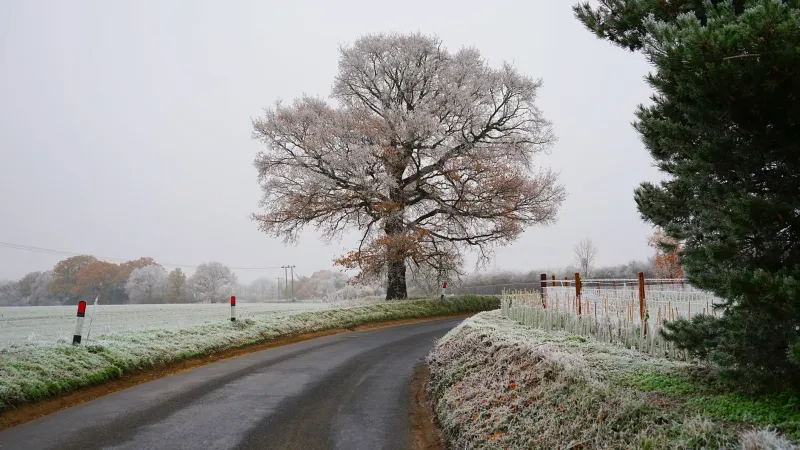
Winter 2026 will not wait for a convenient weekend. The first hard frost tends to arrive when you are already late for work, and gritted roads expose every tired tyre, weak battery and smeary wiper blade. The good news is that most of the obvious problems can be spotted at the kerb in about 15 minutes, with a torch, a pressure gauge and a pair of gloves.
This is not a substitute for a service. It is a pre-winter walkaround. Do it in daylight, on a dry day, with the engine off and the handbrake on. If anything looks borderline, get it checked properly before the cold settles in.
1. Tyre tread depth
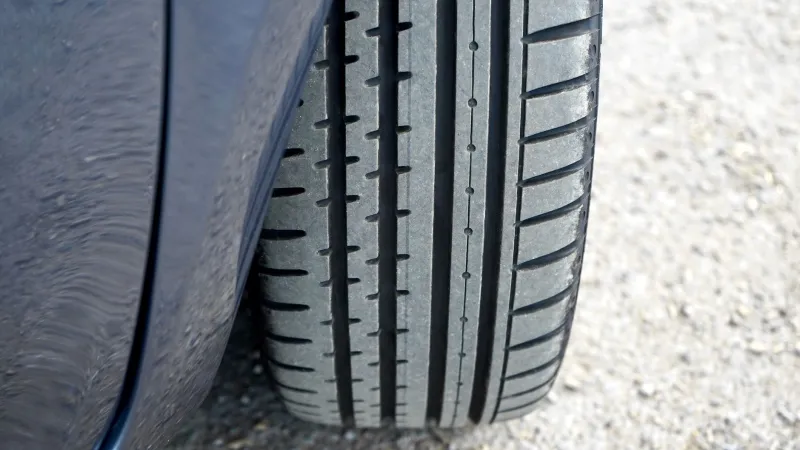
The legal minimum in the UK is 1.6mm across the central three-quarters of the tread, around the whole circumference. But winter grip starts fading well before that. Check each tyre with a tread depth gauge in several grooves. Look for uneven wear across the width, which can point to alignment or pressure problems. If you are close to 3mm, start planning a replacement before the weather turns. DIY check.
2. Cold tyre pressures
Check pressures when the tyres are cold, before you drive. Use the placard on the door pillar or the handbook, not the maximum printed on the sidewall. Adjust for heavy loads if you are carrying passengers or luggage. Cold weather drops pressure naturally, and a tyre that was fine in September can be soft in November. Do not rely on the TPMS alone. DIY check.
3. Sidewall bulges and cuts
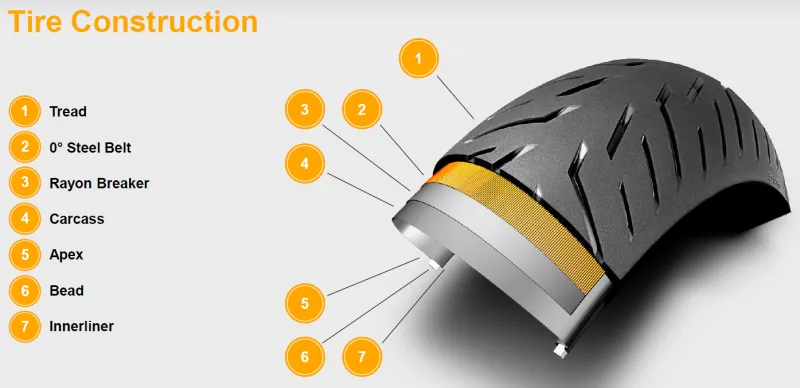
This is the one drivers miss. Run a torch around both sidewalls of every tyre, inside and out. Look for bulges, cuts, cracks and embedded objects. A bulge means internal damage; the tyre should not be driven on. A cut showing cords is the same story. This is a DIY check, but a professional replacement.
4. Alloy cracks and bent lips
Kerb strikes are the usual suspect here. Inspect the rim edge where the tyre meets the alloy. Scuffs are common and often cosmetic, but cracks, dents and bent lips are not. A cracked alloy can leak air slowly, and a bent lip can damage the tyre bead. If you spot a crack or a significant bend, take it to a tyre specialist. DIY spot, professional fix.
5. Spare wheel or repair kit
Find out what you actually have. Many modern cars come with a sealant kit instead of a spare. If you have a spare, check its pressure and tread, and make sure the jack and wheel brace are present. If you have a repair kit, check the sealant's expiry date and read the instructions before you need them at the side of a cold road. DIY check.
6. Lights and bulbs
Walk around the car with the lights on and check every function: headlights, main beam, indicators, brake lights, reversing lights, fog lights and the number plate light. Use a wall or a helpful bystander to check the brake lights. Clean the lenses. If a bulb has failed, replace it now rather than discovering it on a dark, wet commute. DIY on most cars; some LED units need a garage.
7. Wipers and washer fluid
Wiper blades that smear in summer will be dangerous in winter. Check for splits, hardened rubber and missed patches. Replace them before the first frost. Fill the washer bottle with a proper winter screen wash at the correct concentration, not plain water. Check the nozzles are aimed properly. DIY check.
8. Battery health
Cold weather is hard on batteries. Check the terminals are clean and tight. Look for slow cranking, dim lights or a battery warning light. If the battery is more than four or five years old, ask a garage to load-test it. A failing battery that starts fine in October can leave you stranded in January. DIY visual check; professional test.
9. Brakes
Look through the spokes of each wheel for pad thickness if you can see it. Check the brake fluid level against the markings. Listen for grinding or squealing, and feel for a soft or long pedal. Winter roads demand good brakes. If anything feels off, get a proper inspection. DIY visual check only; professional for anything more.
10. Coolant and fluids
With the engine cold, check the coolant level and make sure the antifreeze mixture is correct for the weather. Check the oil, brake fluid and screen wash too. Do not open a hot cooling system. If you are topping up coolant regularly, find out why before winter. DIY check; professional if there is a leak.
11. Emergency kit
A winter kit is not about being dramatic. It is about being able to wait safely if a road closes or the car will not start. Pack a torch, a hi-vis vest, a warm blanket, a scraper and de-icer, a phone charger, and sturdy footwear. A warning triangle is useful but not required in the UK. Check the kit now, before you need it. DIY check.
12. Steering and suspension feel
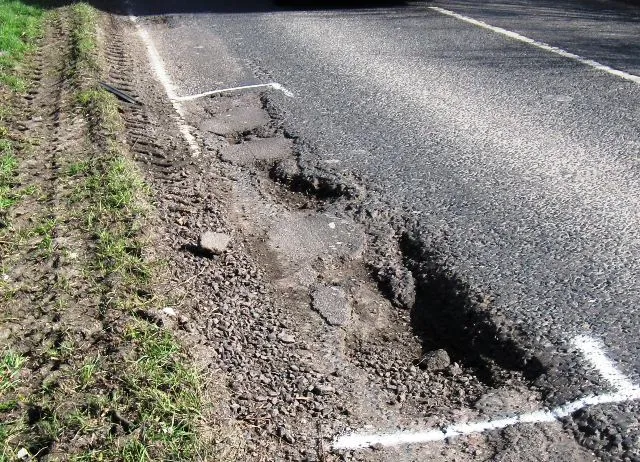
Take a short drive and listen. Clunks over bumps, a vibration through the wheel, pulling to one side or a steering wheel that sits off-centre can all point to kerb damage, worn suspension or alignment issues. Winter grit and potholes will not improve them. If you feel any of these, book a garage check. Professional job.
The pro-only shortlist
Most of the list above is a visual check. The jobs that should go to a garage are the ones involving a bulge, a cut to the cords, a cracked alloy, a battery test, brake inspection, coolant leaks and any steering or suspension symptom. Do not let a cosmetic scuff distract you from a structural problem.
A final note on grit and pressure
Gritted roads are effective, but they are abrasive. Keep your paint and alloys clean where you can, and rinse the wheel arches and sills after a spell of salty roads. Check tyre pressures more often in cold weather, because they drop as the temperature falls. And if you do clip a kerb while parking on a frosty morning, get out and look. The kerb does not care that you were in a hurry.