The Kerb Is Winning: Britain's Quiet Alloy Assassin

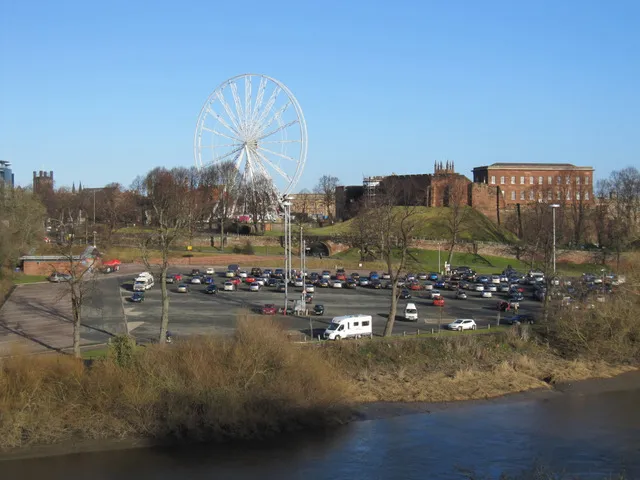
Photo: Kenneth Allen, CC BY-SA 2.0, via Wikimedia Commons
We are blaming the wrong villain
Every spring, the same ritual: councils promise to fix potholes, drivers swap war stories about broken springs, and the poor old crater gets the blame. Fair enough. Potholes are genuinely grim. But after years of writing about wheels, tyres and the state of Britain's streets, I am convinced the kerb does more quiet, cumulative damage to UK cars than any pothole. It just does not make the evening news.
A pothole is dramatic. You see it coming, you brace, you swear. A kerb strike is often a low-speed scrape you barely register: the back wheel clipping a high kerb on a tight turn, an alloy kissing the lip of a supermarket bay, a front tyre pinched against the kerb while parallel parking on a terraced street. You hear a noise, wince, and drive on. That is the problem.
The geography of the daily scrape
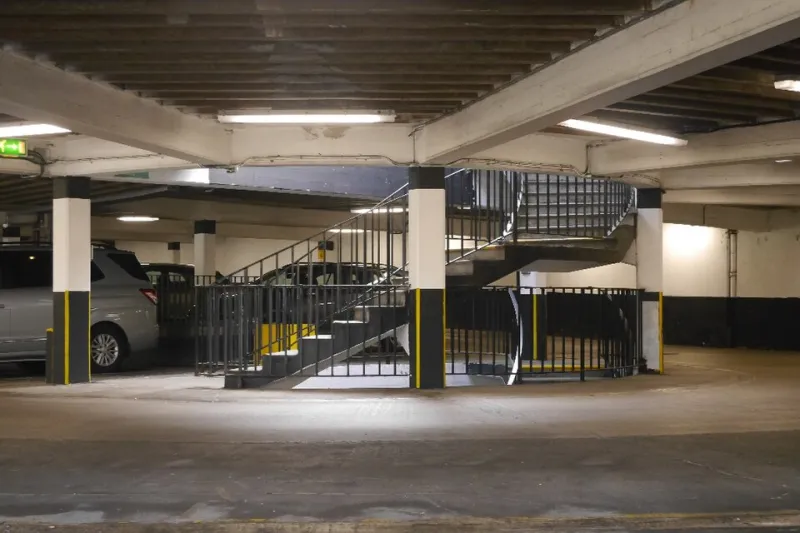
British streets are brilliant at setting up kerb strikes. Victorian terraces with cars parked nose to tail. Narrow lanes where one vehicle has to mount the kerb to let another pass. Multi-storey car parks with ramps that seem designed for Scalextric. Supermarket bays with kerbs at exactly alloy height. School run chaos. Bin day chaos. And, increasingly, big cars with low-profile tyres on diamond-cut alloys, where the rim sits proud and the sidewall offers about as much cushioning as a digestive biscuit.
Low-profile tyres look sharp, but they give you less sidewall to absorb a hit. A taller tyre can shrug off a gentle kerb nudge. A 35-profile tyre on a 19-inch alloy often cannot. The energy goes straight into the rim edge and the tyre's inner cords. At walking pace, that can be enough.
What is actually happening down there
When you clip a kerb, three things take the strain: the tyre sidewall, the alloy rim and the suspension. The sidewall is the most vulnerable because it is thin, flexible and full of cords that hold the tyre's shape under pressure. A sharp kerb edge can pinch the sidewall against the rim. You may not get a cut. You may get something worse: a broken cord inside the sidewall, which shows up later as a bulge.
A bulge is not a cosmetic issue. It is a weak spot. It can fail at motorway speed, in heat, or under load. If you can see a bulge, the tyre is done. Do not drive on it. Put on the spare if you have one, or call recovery. This is not a get it looked at next week situation.
Alloy damage is sneakier. A scuffed rim lip is usually cosmetic, but a hard strike can crack the alloy, bend the lip or create a slow leak at the bead. Diamond-cut finishes show every mark, so drivers tend to notice the scrape and ignore the structure. Check the inner edge too. It is often the side that took the hit.
Then there is alignment. A solid kerb strike can knock your tracking out. You might not feel it immediately. Weeks later, the steering wheel sits slightly off-centre, the car pulls on a flat road, or the front tyres start wearing unevenly. By then, you have scrubbed life off a tyre that was fine before.
The two-minute kerbside audit
You do not need a ramp to catch the obvious stuff. Park safely, put the handbrake on and grab a torch. Work around the car, starting at the front.
Look at each tyre sidewall, inside and out. You are checking for bulges, cuts, cracks and anything embedded in the rubber. Run your hand along the sidewall, but do it gently and watch for sharp edges. A bulge can be subtle, especially on the inner sidewall.
Look at the rim where the tyre meets the alloy. Scuffs are common. Cracks, dents and bent lips are not. A thin crack near the rim edge can leak air slowly, which is why one tyre keeps needing topped up.
Check pressures when the tyres are cold. A slow leak after a kerb strike will not always trigger the TPMS quickly. If one corner is consistently low, get it looked at.
Finally, find a flat, quiet road and check the steering wheel. If it is off-centre when you are driving straight, or the car pulls, get the alignment checked. A vibration through the wheel or seat is another red flag.
When a scuff becomes a garage visit
Some kerb damage is cosmetic. Some is not. The line is easier than you think.
Book a garage visit, or call recovery, if you spot any of the following: a sidewall bulge; a cut deep enough to show cords; a crack in the alloy; a bent rim lip; a tyre that keeps losing pressure; a vibration through the steering wheel; the car pulling to one side; the steering wheel off-centre; or a clunk from the suspension after an impact.
A tyre specialist can check the inner sidewall and rim properly. If the alloy is cracked, do not let a tyre fitter simply balance it and send you on your way. A cracked rim needs repair or replacement. If alignment is out, a proper four-wheel alignment check is money well spent. It is cheaper than a pair of tyres and a lot cheaper than a suspension bill.
The takeaway
Potholes deserve our anger. But the kerb deserves our respect. It is the wheel killer hiding in plain sight, doing its damage at 5mph while we save our outrage for the crater down the road.
Next time you hear that scrape, do not turn up the radio. Give the wheel a quick look, check the pressure, and pay attention to any new vibration or pull. Keep your tyres correctly inflated, avoid mounting kerbs where you can, and take tight turns a little wider. The kerb is not a guide rail, a brake or a parking aid. It is a very effective way to ruin an alloy. Treat it accordingly.